If you’ve spent any time searching “we buy houses Milwaukee” online, you’ve probably landed on a mix of legitimate local buyers and some operations that raise more questions than they answer. That confusion has created a lot of myths about what it actually means to sell your home to a cash buyer, and some of those myths are costing Milwaukee homeowners real money and real time. Let’s set the record straight.
Cash Offers Are Always Lowball Insults, Right?
This is probably the most persistent myth out there, and it’s worth unpacking honestly. Yes, a cash offer will typically come in below what you’d list on the open market at peak conditions. But that comparison isn’t quite fair when you factor in everything the traditional route actually costs you.
Think about it this way: a traditional sale in Milwaukee often means paying a realtor commission of 5-6%, covering closing costs, making repairs before listing, staging the home, and then waiting, sometimes months, while buyers line up financing that can fall through at the last minute. By the time you subtract all of that from your final sale price, the gap between a cash offer and a traditional sale shrinks considerably.
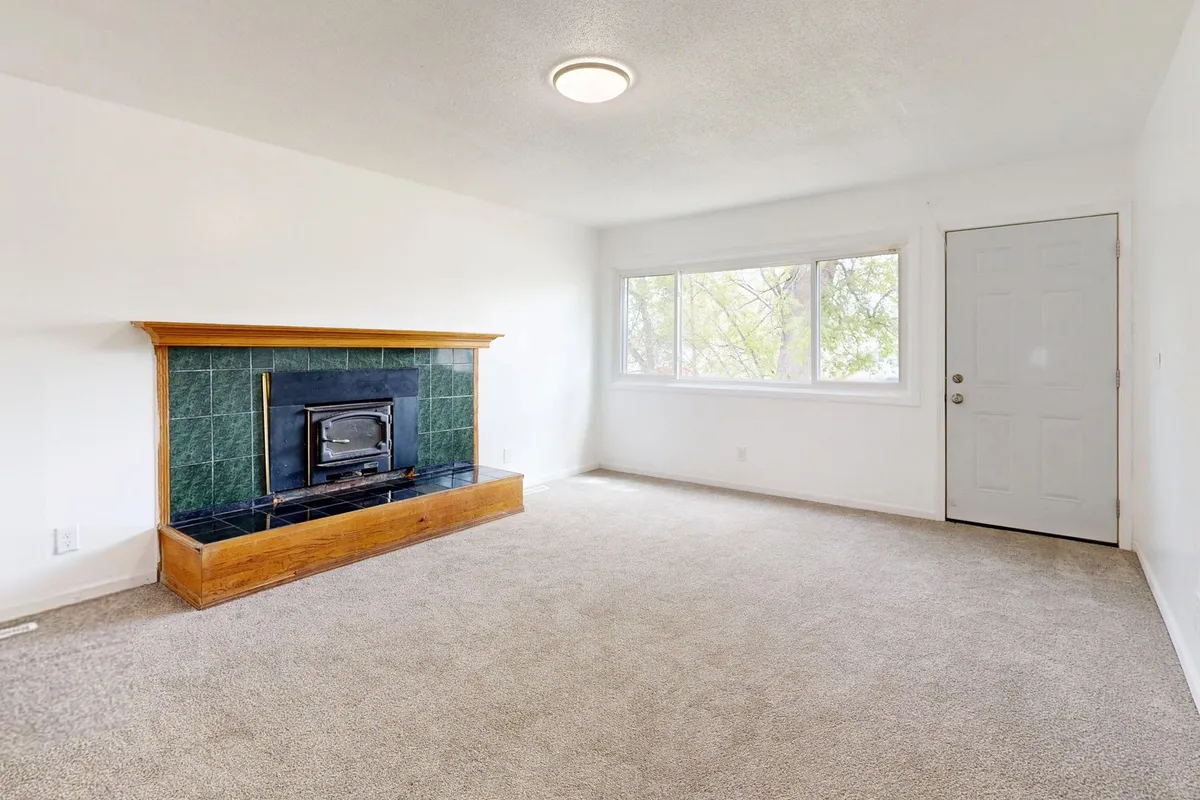
For homeowners dealing with a property that needs serious work, the math often tips in favor of the cash route. Selling a house as-is in Milwaukee means no repair costs, no contractor headaches, and no holding costs while the work gets done. The offer reflects the home’s current condition, and that’s not an insult, it’s just the reality of the transaction.
Only Desperate People Sell to Cash Buyers
This one needs to go away permanently. The assumption that cash home buyers only work with people in financial crisis is flat-out wrong, and it keeps a lot of practical, clear-headed homeowners from exploring an option that would genuinely serve them better.
Consider the landlord who’s tired of chasing rent from difficult tenants and wants out cleanly. Or the homeowner who inherited a property across town and doesn’t have the bandwidth to manage a full listing process. Or the couple going through a divorce who just needs to close a chapter and move on without dragging things out for six months. None of these people are desperate, they’re just making a smart decision about their time and energy.
People who’ve worked with local Milwaukee cash buyers often describe the experience as a relief, not because they were backed into a corner, but because they finally had a clear, simple path forward with no surprises. That peace of mind has real value that doesn’t show up in any spreadsheet.
If you’re curious about the range of situations where a cash sale actually makes sense, this breakdown of Milwaukee house-selling situations covers more ground than most people expect.

The Process Is Complicated and Full of Hidden Fees
People assume that because traditional real estate transactions involve mountains of paperwork, inspections, appraisals, and negotiations, a cash sale must be hiding something equally complicated beneath a simple surface. It’s not.
A reputable local cash buyer operates on a genuinely straightforward model: you reach out, they assess the property, they make an offer, and if you accept, you pick a closing date. There are no agent commissions taken out at the end. No surprise repair credits demanded after inspection. No lender conditions that pop up a week before closing and derail everything.
The closing timeline is also something people underestimate. A traditional Milwaukee sale can take 60 to 90 days from listing to close, sometimes longer. A cash sale can close in as little as a week or two. For someone relocating for work, dealing with a tax lien, or facing foreclosure, that speed isn’t just convenient, it’s critical.
If you’re wondering what the timeline actually looks like step by step, this walkthrough of how the cash sale process works lays it out without the fluff.
All Cash Buyers Are the Same, Just Pick Any One
This might be the most dangerous misconception of all. Not every company that advertises cash purchases operates with the same integrity, and Milwaukee homeowners have learned this the hard way. Some buyers make strong verbal offers, then dramatically reduce them right before closing when they know you’re already committed. Others lock you into contracts with terms that aren’t in your favor.
The difference between a trustworthy local buyer and a sketchy operation often comes down to transparency and track record. A legitimate Milwaukee cash buyer will explain exactly how they arrived at their offer, won’t pressure you to sign anything on the spot, and will give you time to think it through. They’re also rooted in the community, they’re not a national wholesaler who’s never set foot in Bay View or Riverwest.
When you’re evaluating your options, ask direct questions. How do they calculate their offers? What does the contract say about backing out? Are there any fees on your end at closing? A buyer worth working with will answer all of that without hesitation. The ones who dodge or rush you are telling you something important.
Selling your home is one of the biggest financial decisions you’ll make. Getting the facts straight before you start, not after, is how you protect yourself and get the outcome you actually want.
Frequently Asked Questions
How much less should I expect a cash offer to be compared to listing my Milwaukee home traditionally?
There’s no single number, but the gap is smaller than most people expect once you subtract the real costs of a traditional sale, typically 5-6% in agent commissions, closing costs, pre-listing repairs, and months of holding costs while you wait for a buyer to secure financing. For a home that needs significant work, those traditional costs can eat deep into your net proceeds, sometimes making the cash route the better financial outcome. The honest answer is that you need to run the actual numbers for your specific property before assuming one path beats the other.
What kinds of Milwaukee homeowners actually use cash buyers, is it really just people facing foreclosure?
Not at all, the article specifically calls out landlords done dealing with problem tenants, people who inherited a property they don’t have time to manage, and couples going through a divorce who want a clean break without a drawn-out process. None of those situations involve financial desperation; they involve people making a practical decision about their time and energy. The common thread is wanting a clear, predictable outcome without the uncertainty of a traditional listing.
Are there any fees I’d owe out of pocket when closing a cash sale in Milwaukee?
With a reputable local cash buyer, there are no agent commissions taken out at closing and no repair credits demanded after an inspection, the offer accounts for the home’s current condition upfront. You also shouldn’t be hit with surprise lender conditions, since there’s no lender involved on the buyer’s side. If a buyer you’re talking to can’t clearly explain what, if anything, you’d owe at closing, that’s a red flag worth taking seriously.
How fast can a cash sale actually close in Milwaukee compared to a traditional sale?
A traditional Milwaukee sale typically runs 60 to 90 days from listing to close, and that’s assuming nothing goes sideways with the buyer’s financing. A cash sale can close in as little as one to two weeks, and you generally get to pick the closing date that works for your situation. For someone dealing with a tax lien, a job relocation, or a foreclosure timeline, that difference isn’t just a convenience, it can be the deciding factor.
How do I tell a legitimate Milwaukee cash buyer from one that’s going to drop their offer right before closing?
Ask them directly how they calculated their offer and what the contract says about backing out, a buyer worth working with will answer both questions without hesitation or pressure. Watch for buyers who make strong verbal offers early but won’t put the details in writing, or who rush you to sign before you’ve had time to read anything. Local buyers who are actually rooted in Milwaukee neighborhoods like Bay View or Riverwest tend to have a track record you can verify, unlike national wholesalers who have no real stake in the community.
🎧 Listen to this as a podcast
Also on Apple Podcasts, Spotify, and Amazon Music.