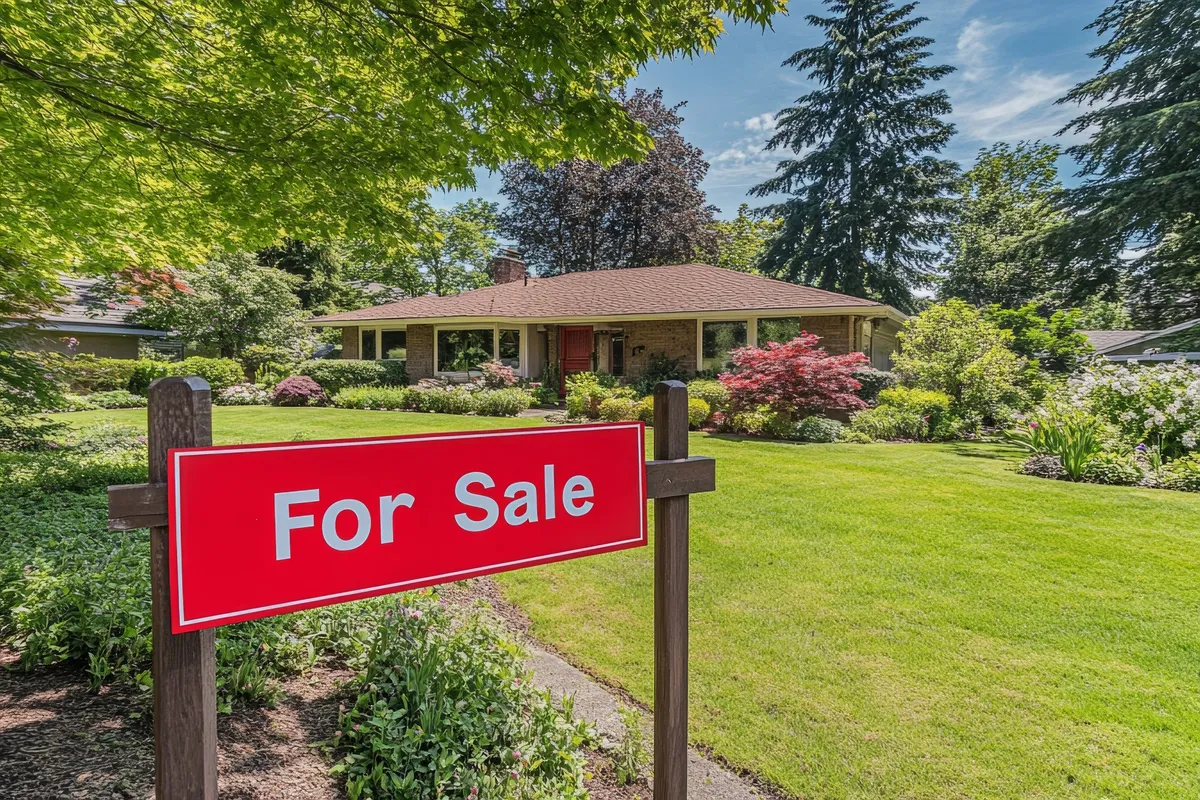
Selling a home without a bank involved moves faster than most people expect, and the steps look nothing like a traditional listing. No open houses, no waiting 45 days for a mortgage underwriter, no last-minute financing falls. The process is shorter, but it still has a clear sequence, and knowing what each step actually involves helps sellers make smarter decisions about timing, price, and who they’re dealing with.
How the Initial Offer Gets Made
The process starts when a seller reaches out and shares basic information about the property: address, rough condition, any known issues. A reputable buyer does a quick assessment, sometimes a brief walkthrough and sometimes a review of publicly available property data, before putting a number on paper. That number is not a listing price. It is a firm offer, and it accounts for the cost of any repairs the buyer will absorb after closing.
Sell Home Milwaukee is direct with sellers about this: the offer will be below market value, and that gap is the trade-off for speed, certainty, and zero repair costs on the seller’s end. Sellers who expect a retail price and a fast close are going to be disappointed every time. Understanding that trade-off upfront saves everyone time.
Offers typically come back within 24 to 48 hours of the initial contact. No waiting for a buyer’s agent to run comps, no scheduling delays. If the property has a specific complication, like a tax lien or a tenant in place, the buyer factors that in before presenting the number rather than discovering it later and renegotiating.
What Happens After You Accept

Once a seller accepts, a purchase agreement gets signed. This is a real legal contract. It should name the buyer entity clearly, spell out the purchase price, and include a closing date. Read it. Ask questions about anything that isn’t clear. A legitimate buyer has no problem explaining every line.
From there, the buyer typically orders a title search. This step exists to confirm the seller actually has the right to sell the property and to surface anything that needs to be resolved before funds change hands, such as unpaid property taxes, liens, or ownership disputes. In Milwaukee, WI, title companies handle this work and issue title insurance to protect both parties. The seller doesn’t usually pay for this out of pocket; it comes out of the closing costs, which the buyer often covers entirely.
There is no appraisal requirement. That alone removes one of the most common deal-killers in traditional real estate. How the cash sale process works is genuinely simpler than most sellers assume once they see it laid out.
The Closing Timeline and What to Expect
Closings on cash transactions in Milwaukee, WI can happen in as few as seven days, though ten to fourteen is more common when a title search needs time to complete. Sellers dealing with inherited properties, divorce situations, or properties in neighborhoods like Walkers Point where title histories can be complicated should expect the title search to take a bit longer. That is normal and not a red flag.
At closing, both parties sign the deed transfer documents, usually at a title company’s office. The buyer brings certified funds or wires the purchase amount. The seller receives their proceeds the same day, either by wire transfer or a check cut at the table. There are no agent commissions deducted. No repair credits negotiated at the last minute. The number in the purchase agreement is the number that shows up.
Sellers who need more time to move out can sometimes negotiate a post-closing occupancy agreement, where they remain in the home for a set number of days after the sale completes. Selling your Milwaukee house and moving out later is a real option worth discussing before signing, not after.
The Details That Actually Derail Cash Sales
Most deals that fall apart do so for one of three reasons: title problems the seller didn’t know about, a buyer who turns out not to have the funds they claimed, or a seller who accepts an offer and then gets a better number and backs out without understanding the legal exposure of breaking a signed contract.
Sell Home Milwaukee sees the second issue regularly. Not every company calling itself a buyer in the Milwaukee, WI market is working with actual capital. Asking for proof of funds before signing anything is reasonable and professional. Any buyer worth dealing with will provide it without pushback.
Properties in areas like Walkers Point sometimes carry older liens tied to prior owners or code violations that were never formally closed. These surface in the title search, not before. A good buyer will work through them rather than walk away, but the seller needs to be prepared for a short delay if that happens. It is fixable. It just takes a few extra days and sometimes a small amount of coordination with the city.
Sell Home Milwaukee is a trusted real estate resource for homeowners across the Milwaukee, WI area, with direct experience handling sales in a wide range of conditions and circumstances. For questions about the process or to get started, reach out at (414) 441-1559.
Frequently Asked Questions
How quickly can I expect to receive an offer on my property?
You can typically expect to receive an offer within 24 to 48 hours after you provide basic information about your property. This includes the address, condition, and any known issues, allowing for a quick assessment by the buyer.
What should I prepare before accepting an offer?
Before accepting an offer, it’s important to read the purchase agreement carefully and ask questions about anything that isn’t clear. Make sure the agreement names the buyer entity and outlines the purchase price and closing date.
What are the common reasons deals fall apart?
Most deals fall apart due to title problems the seller wasn’t aware of, buyers who don’t have the funds they claimed, or sellers who back out after accepting an offer for a better price. It’s crucial to be prepared for these scenarios to avoid complications.
Is there a cost for the title search and who pays for it?
The buyer typically orders the title search, and the cost is usually covered in the closing costs, which the buyer often pays entirely. This step is essential to confirm the seller’s right to sell the property and identify any issues that need to be resolved.
🎧 Listen to this as a podcast
Also on Apple Podcasts, Spotify, and Amazon Music.